What Is Intermittent Fasting?
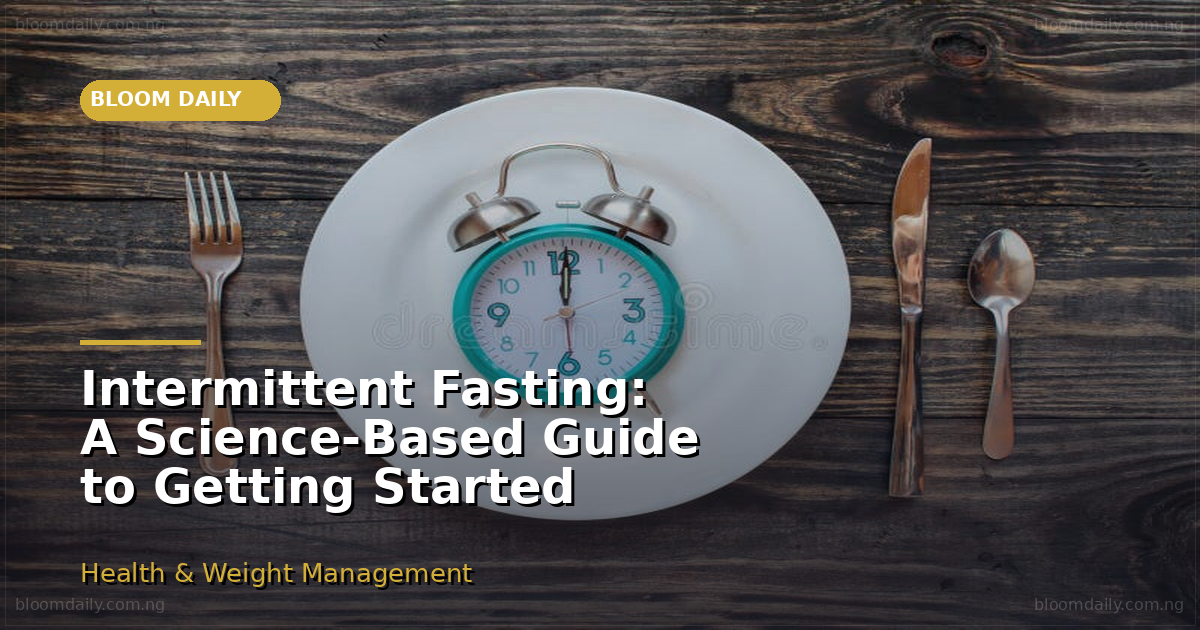
Intermittent fasting (IF) cycles between periods of eating and fasting. It’s not a diet — it’s an eating pattern. The focus is on when you eat, not what you eat.
Popular Methods
16:8 Method: Fast for 16 hours, eat within an 8-hour window. The most popular and sustainable approach.
5:2 Diet: Eat normally 5 days a week, restrict to 500-600 calories on 2 non-consecutive days.
OMAD (One Meal a Day): Eat one large meal within a 1-hour window. Advanced — not recommended for beginners.
Science-Backed Benefits
- Weight loss (3-8% body weight reduction over 3-24 weeks)
- Improved insulin sensitivity and blood sugar control
- Reduced inflammation markers
- Enhanced brain function and neuroprotection
- Cellular repair through autophagy
- Improved heart health markers
Who Should Avoid IF
Pregnant or breastfeeding women, people with a history of eating disorders, underweight individuals, and people with certain medical conditions should avoid fasting.